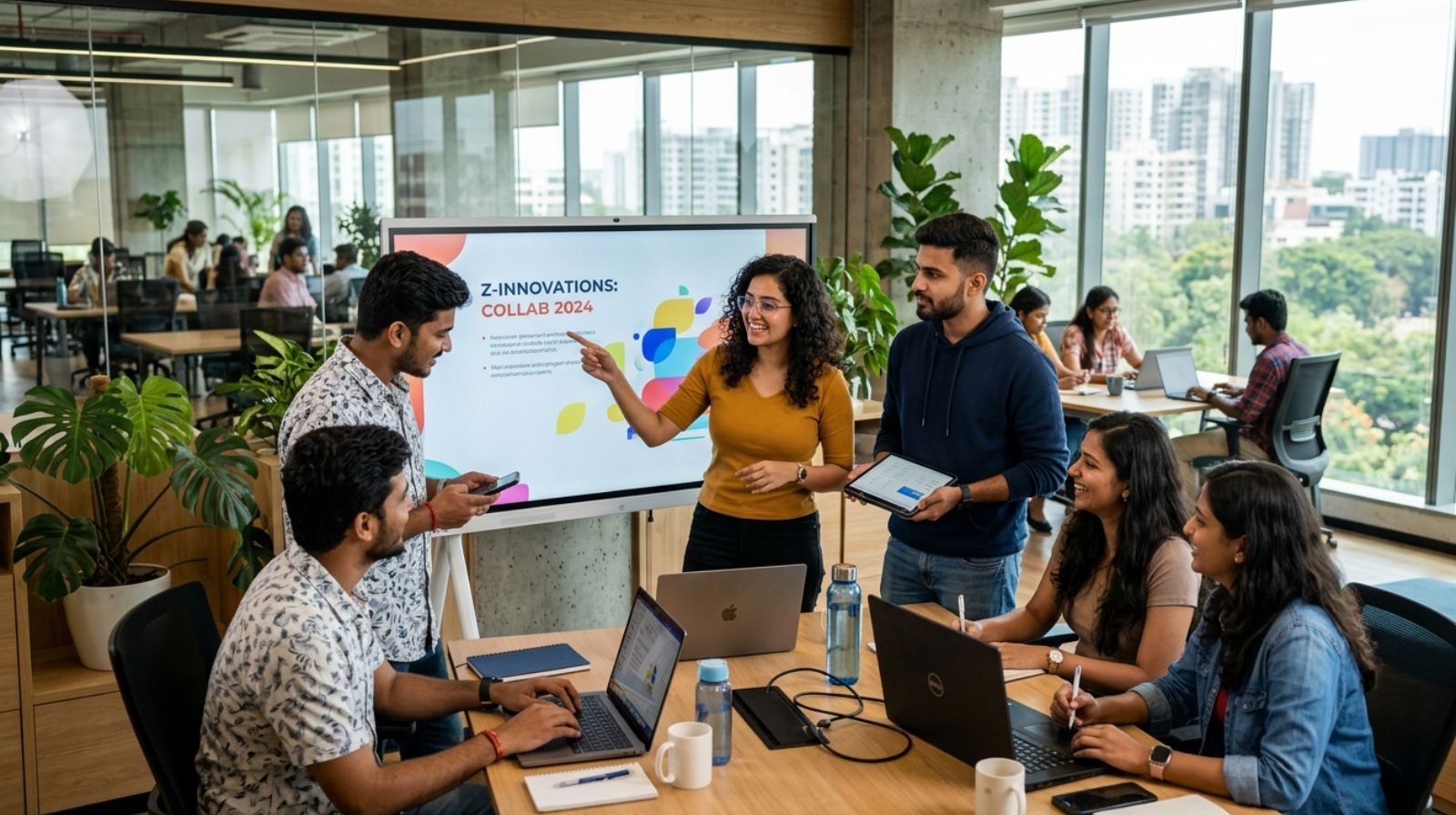
Walk into any modern office today-whether it’s a buzzing startup in Bengaluru or a growing SME in Indore-and you’ll notice a subtle but powerful shift. The energy feels different. Conversations are faster, expectations are higher, and there’s a constant demand for purpose, flexibility, and growth. At the center of this transformation is a new workforce segment: Gen Z. For many organizations, managing Gen Z Employees has quickly become both a challenge and an opportunity.
Unlike previous generations, Gen Z professionals are not just looking for jobs-they’re looking for meaning, balance, and rapid growth. Employers who fail to understand this shift often struggle with retention, engagement, and productivity. But those who adapt are building workplaces that are more innovative, agile, and future-ready.
Who Are Gen Z Employees and Why They’re Different
Gen Z typically refers to individuals born between the late 1990s and early 2010s. They are the first true digital natives, having grown up with smartphones, social media, and instant access to information. This upbringing has shaped their worldview in profound ways. In Indian workplaces, this generation is entering the workforce with a mix of ambition and pragmatism. They are highly skilled, quick learners, and extremely adaptable. However, they also question traditional hierarchies and are less willing to tolerate outdated management styles. Take the example of a young marketing executive in a Gurgaon-based startup. Within her first three months, she expected not just feedback, but meaningful feedback. When she didn’t receive it, she didn’t hesitate to voice her concerns-and eventually explored other opportunities. This is a common story. For Gen Z, silence from management is not patience-it’s disengagement.
The Real Challenges of Managing Gen Z Employees
Organizations often underestimate the gap between traditional workplace practices and Gen Z expectations. One of the biggest challenges employers face while managing Gen Z Employees is communication. This generation prefers transparency, instant feedback, and open dialogue. Annual appraisals or vague instructions simply don’t work anymore. Another challenge is retention. Gen Z employees are not afraid to switch jobs if they feel undervalued or stagnant. Unlike millennials, who often prioritize stability, Gen Z prioritizes growth and learning. If they don’t see a clear path forward, they move on quickly. Then there’s the issue of work-life balance. Gen Z places a strong emphasis on mental health and personal well-being. In many Indian companies, where long hours are often normalized, this can create friction. A young developer working in a tech firm in Pune once shared that he left a high-paying job simply because the culture didn’t respect personal time. Many organizations struggle with retention and long-term planning, especially when younger employees frequently switch roles. This highlights the growing importance of strategic workforce planning in India.
Managing Gen Z Employees Through Purpose and Meaningful Work
One of the most effective ways to manage Gen Z Employees is to align their work with a larger purpose. This generation wants to feel that their contributions matter, not just to the company, but to society as well. Organizations that clearly communicate their mission and values tend to resonate more with Gen Z. For example, a small sustainability-focused startup in Mumbai saw a significant increase in employee engagement after integrating social-impact initiatives into its projects. Employees felt proud of their work, and that sense of purpose translated into higher productivity. Managers need to go beyond assigning tasks. They need to connect those tasks to outcomes. When a Gen Z employee understands how their work impacts customers, communities, or business growth, their level of commitment changes dramatically.
The Role of Technology in Managing Gen Z Employees

Technology is not just a tool for Gen Z; it’s an extension of how they work and communicate. Any organization serious about managing employees must invest in modern tools and digital platforms. From collaboration apps to performance tracking systems, the right technology can enhance transparency and efficiency. But more importantly, it aligns with how Gen Z prefers to operate-fast, connected, and data-driven. Consider a mid-sized HR consultancy in India that shifted from manual reporting to a real-time dashboard system. Not only did productivity improve, but employee satisfaction also increased. Gen Z employees appreciated the clarity and instant access to information. However, technology alone is not enough. It must be paired with a culture that encourages its effective use. Overloading employees with tools without proper guidance can lead to confusion rather than productivity.
Building Strong Relationships While Managing Gen Z Employees
Despite being digital-first, Gen Z values human connection more than many assume. One of the key aspects of Managing Gen Z Employees is building genuine relationships. Managers who take the time to understand their team members-their aspirations, concerns, and strengths-create a more engaged workforce. Regular one-on-one conversations, mentorship programs, and open-door policies go a long way in building trust. In one Bangalore-based IT firm, a team leader introduced weekly informal check-ins instead of formal meetings. These sessions were not about targets or deadlines, but about understanding the team’s mindset. Over time, this simple change reduced attrition and improved team morale significantly. Gen Z doesn’t expect perfection from leadership, but they do expect authenticity. A manager who admits mistakes and shows empathy earns far more respect than one who maintains a rigid authority.
Managing Gen Z Employees with Flexibility and Growth Opportunities
Flexibility is no longer a perk-it’s an expectation. Whether it’s remote work, flexible hours, or project-based roles, Gen Z values autonomy in how they work. Organizations that embrace flexibility often see better results when managing Gen Z Employees. It allows employees to work at their peak productivity while maintaining a healthy balance between personal and professional life. Equally important is the opportunity for growth. Gen Z employees are constantly looking to upskill and expand their knowledge. Companies that invest in learning and development programs not only retain talent but also build a more capable workforce. For instance, a Delhi-based digital agency introduced a “learning budget” for employees to take online courses. Within a year, not only did employee satisfaction improve, but the company also saw a noticeable increase in innovation and client satisfaction.
Conclusion: Adapting to the Future of Work
The workplace is evolving, and Gen Z is at the forefront of this change. For employers, the question is no longer whether to adapt, but how quickly they can do it. Managing Gen Z Employees requires a shift in mindset-from control to collaboration, from hierarchy to inclusivity, and from routine to purpose. Organizations that embrace these changes are not just solving today’s challenges; they are building the foundation for long-term success. Gen Z brings fresh perspectives, digital fluency, and a strong sense of purpose. When managed effectively, they can drive innovation and transform workplace culture. The future of work belongs to those who understand their people. And right now, understanding Gen Z is one of the most important steps any employer can take. Organizations that embrace modern HR practices and technology-driven solutions are better positioned to manage evolving workforce expectations. Platforms like QR Staff are helping businesses simplify workforce management, improve employee engagement, and adapt to the changing needs of Gen Z.
FAQs
Q1. What are the best strategies for managing Gen Z Employees effectively?
The best strategies for managing Gen Z Employees include clear communication, regular feedback, flexible work options, and providing meaningful work. Employers should focus on transparency, career growth opportunities, and using modern technology to align with Gen Z expectations.
Q2. Why is managing Gen Z Employees different from managing millennials?
Managing Gen Z Employees is different because they value instant feedback, purpose-driven work, and work-life balance more strongly. Unlike millennials, they are more independent, tech-savvy, and less willing to stay in roles that don’t offer growth or flexibility.
Q3. What challenges do companies face when managing Gen Z Employees?
Companies often face challenges such as high attrition, demand for quick career progression, and the need for constant engagement when managing Gen Z Employees. They also expect open communication and may question traditional workplace hierarchies.
Q4. How can employers improve retention while managing Employees?
To improve retention while managing Gen Z Employees, organizations should invest in learning and development, create a positive work culture, offer flexibility, and recognize employee contributions regularly. Building strong relationships also plays a key role.
Q5. How does technology help in managing Employees?
Technology plays a crucial role in Managing Gen Z Employees by enabling real-time communication, performance tracking, and collaboration. Using digital tools aligns with their work style and helps improve productivity and engagement.
Leave a Reply