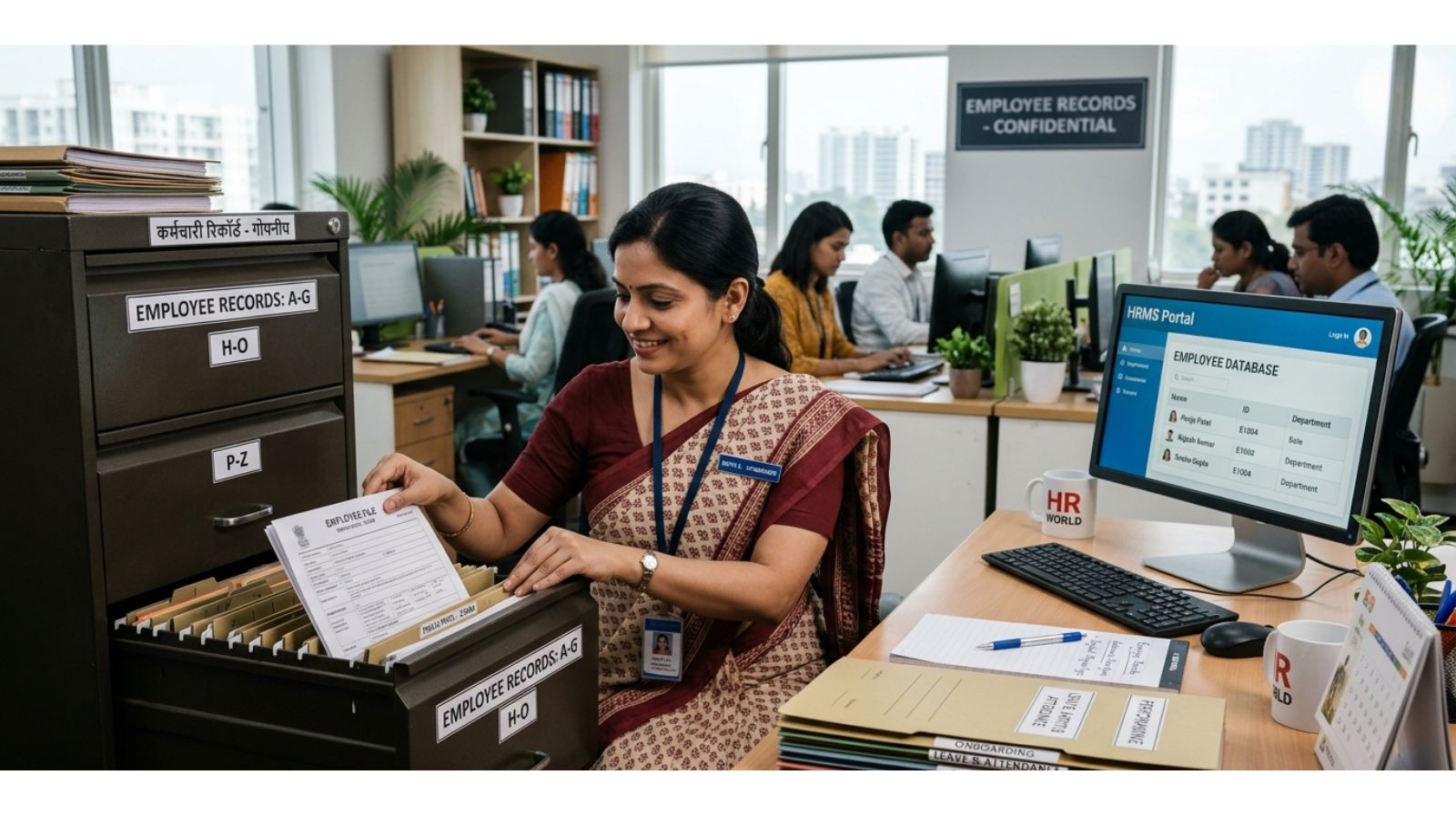
Every organization, whether a small startup or a large corporation, deals with employee information daily. Understanding how to maintain employee records properly is essential for keeping HR documentation organized, secure, and compliant with labor regulations. Poor employee record management can lead to missing documents, payroll errors, compliance risks, and operational inefficiencies. In today’s business environment, maintaining structured employee records is not just an administrative task—it is a critical part of HR compliance, workforce planning, and organizational transparency. This guide explains how to maintain employee records properly, the types of records every company should keep, and practical strategies HR teams can use to organize employee files efficiently.
Why Employee Record Management is Important
Effective employee record management plays a crucial role in running a professional and compliant organization. When employee information is stored properly, businesses can access important documents instantly, avoid legal issues, and make informed HR decisions. One of the most important reasons to maintain structured HR record-keeping is compliance. Another major benefit of organized employee file organization is operational efficiency. HR teams regularly need to retrieve documents for performance reviews, payroll processing, employee promotions, and compliance checks. Proper employee information management also strengthens workplace transparency. When employee records are maintained accurately, businesses can handle disputes, disciplinary actions, or promotion decisions based on documented facts rather than assumptions. Ultimately, learning how to maintain employee records properly helps businesses build a reliable HR foundation that supports both compliance and long-term growth.
Types of Employee Records Every Company Should Maintain
Every organization must maintain several categories of employee records as part of its employee documentation process. These documents help track an employee’s journey from recruitment to exit.
Employment and Hiring Documents: Hiring documents are essential in any employee record management system. They typically include job applications, offer letters, employment contracts, background verification reports, and onboarding forms.
Payroll and Compensation Records: Salary records, tax declarations, bank details, benefits information, and reimbursement documents fall under payroll documentation. Accurate employee data management ensures payroll processing remains error-free and compliant with tax regulations.
Attendance and Leave Records: Employee attendance logs, leave applications, sick leave records, and vacation balances are essential parts of HR compliance records. These records help HR teams track employee working hours and leave policies effectively.
Exit and Termination Documents: When employees leave an organization, companies must maintain resignation letters, exit interviews, clearance forms, and final settlement records. These documents are often required during audits or legal inquiries.
Step-by-Step Guide on How to Maintain Employee Records Properly
Businesses often struggle with the practical implementation of employee information management. The following structured approach can help organizations maintain employee records efficiently.
Step 1: Create a Standard Employee Documentation Process: Every organization should define a standardized employee documentation process for collecting and storing employee data. HR teams must ensure that every employee’s file contains the same set of documents to maintain consistency across the organization.
Step 2: Organize Employee Files for Proper Record Management: Proper employee file organization requires categorizing records into separate sections such as personal details, payroll information, performance reviews, and compliance records. This structure makes it easier to locate documents quickly when needed.
Step 3: Keep Employee Records Accurate and Updated: One of the most important aspects of learning how to maintain employee records properly is keeping them updated. Whenever employees change their address, receive promotions, complete training, or update bank details, HR teams should immediately update the corresponding records.
Step 4: Secure Employee Records and Protect Sensitive Data: Employee records contain sensitive personal and financial information. Companies must ensure secure storage systems to protect employee data. Access to these records should be limited only to authorized HR personnel.
Step 5: Secure Employee Records and Protect Sensitive Data: Different types of HR compliance records must be retained for different time periods. Organizations should define clear retention policies for employee records based on legal and compliance requirements.
Step 6: Conduct Regular Employee Record Audits: Periodic audits help HR teams identify missing documents, outdated information, or compliance gaps. Conducting regular audits is an effective way to ensure proper employee record management.
Best Practices to Maintain Employee Records Properly
Effective employee file organization can significantly improve HR efficiency and data security. One of the most effective strategies is maintaining structured employee files with clearly labeled sections.
Use Standard File Naming Systems: A standardized naming format helps HR teams locate documents easily. For example, files may include the employee name, document type, and date.
Separate Confidential Information: Sensitive documents such as medical records or disciplinary reports should be stored separately with restricted access. This practice improves both privacy and compliance.
Implement Version Control for Documents: Many employee records change over time, such as contracts or salary structures. Maintaining version control ensures HR teams always refer to the latest document.
These practices strengthen the overall employee information management process and reduce the risk of document misplacement.
Digital vs Physical Methods to Maintain Employee Records
Businesses often debate whether to maintain physical employee files or switch to digital record systems. Both methods have advantages and challenges. Traditional physical files offer a tangible documentation system that some organizations still prefer. However, physical records require storage space, manual organization, and strict protection against loss or damage. Digital employee data management systems, on the other hand, allow businesses to store employee records securely in centralized platforms. Digital systems make it easier to search documents, update records quickly, and maintain backups. For modern organizations, digital record systems often provide a more efficient solution for maintaining employee record management while improving security and accessibility. The QR Staff mobile app can help you maintain employee records digitally in an effective way.
Legal Requirements for Maintaining Employee Records
Maintaining proper HR compliance records is essential for meeting labor law requirements. Many countries require employers to maintain employee documents for specific time periods. For example, payroll records may need to be retained for several years to comply with tax regulations. Employment contracts and termination records may also be required during labor disputes or government inspections. A proper employee documentation process ensures organizations can respond quickly during compliance audits. Businesses that fail to maintain accurate records risk facing legal penalties, fines, or employee disputes. Understanding legal requirements is a key part of learning how to maintain employee records properly.
Common Mistakes in Employee Record Management
Many organizations struggle with employee information management because of simple but critical mistakes.
Incomplete Employee Files: Some companies fail to collect all required documents during onboarding. Missing forms or incomplete contracts can create legal complications later.
Poor Record Organization: Without proper employee file organization, HR teams waste time searching for documents and may lose important records.
Failure to Update Employee Information: Employee data changes frequently. Businesses that fail to update records may face payroll errors or outdated documentation.
Lack of Data Security: Employee records contain sensitive personal information. Weak security practices can lead to data breaches or privacy violations.
Avoiding these mistakes significantly improves overall employee record management.
Tools That Help Maintain Employee Records Properly
Modern HR departments rely on digital tools to simplify employee data management. These systems help store, organize, and secure employee information more efficiently than traditional methods.
HR Management Software: Comprehensive HR platforms allow businesses to maintain centralized employee records, track attendance, manage payroll, and store compliance documents.
Document Management Systems: These systems help organize digital employee files using structured folders, tagging systems, and search capabilities.
Employee Self-Service Portals: Some systems allow employees to update their own personal information, which improves the accuracy of employee information management.
Conclusion
Maintaining structured and accurate employee records is essential for every organization. Proper employee record management not only improves operational efficiency but also protects businesses from legal risks and compliance issues.
By understanding how to maintain employee records properly, companies can create organized employee files, protect sensitive data, and ensure compliance with labor regulations. A strong employee documentation process allows HR teams to manage workforce information confidently and efficiently.
As businesses continue to grow and regulations become more complex, investing time in better employee data management and structured HR record keeping becomes increasingly important. Organizations that build reliable systems for maintaining employee records today will find it much easier to manage their workforce tomorrow.
FAQs About Maintaining Employee Records
What is employee record management?
Employee record management refers to the systematic process of collecting, organizing, storing, and maintaining employee information throughout the employee lifecycle. It ensures accurate documentation for HR operations and legal compliance.
Why is it important to maintain employee records properly?
Maintaining employee records properly helps businesses comply with labor laws, manage payroll accurately, track employee performance, and resolve workplace disputes using documented information.
How long should companies keep employee records?
The retention period for employee records varies depending on labor laws and document types. Payroll records, tax forms, and employment contracts often need to be stored for several years for compliance purposes.
What documents should be included in an employee’s file?
Employee files usually include personal information, employment contracts, payroll details, performance evaluations, attendance records, and termination documents as part of the employee documentation process.
Are digital employee records better than physical files?
Digital employee data management systems provide faster access, better security, and easier organization compared to physical files. Many modern businesses prefer digital systems for efficient employee record management.
Who should have access to employee records?
Access to employee records should be limited to authorized HR personnel or management to protect sensitive employee information and maintain confidentiality.
Employee training tools: How to Train Employees Faster with Smart Tools
Leave a Reply