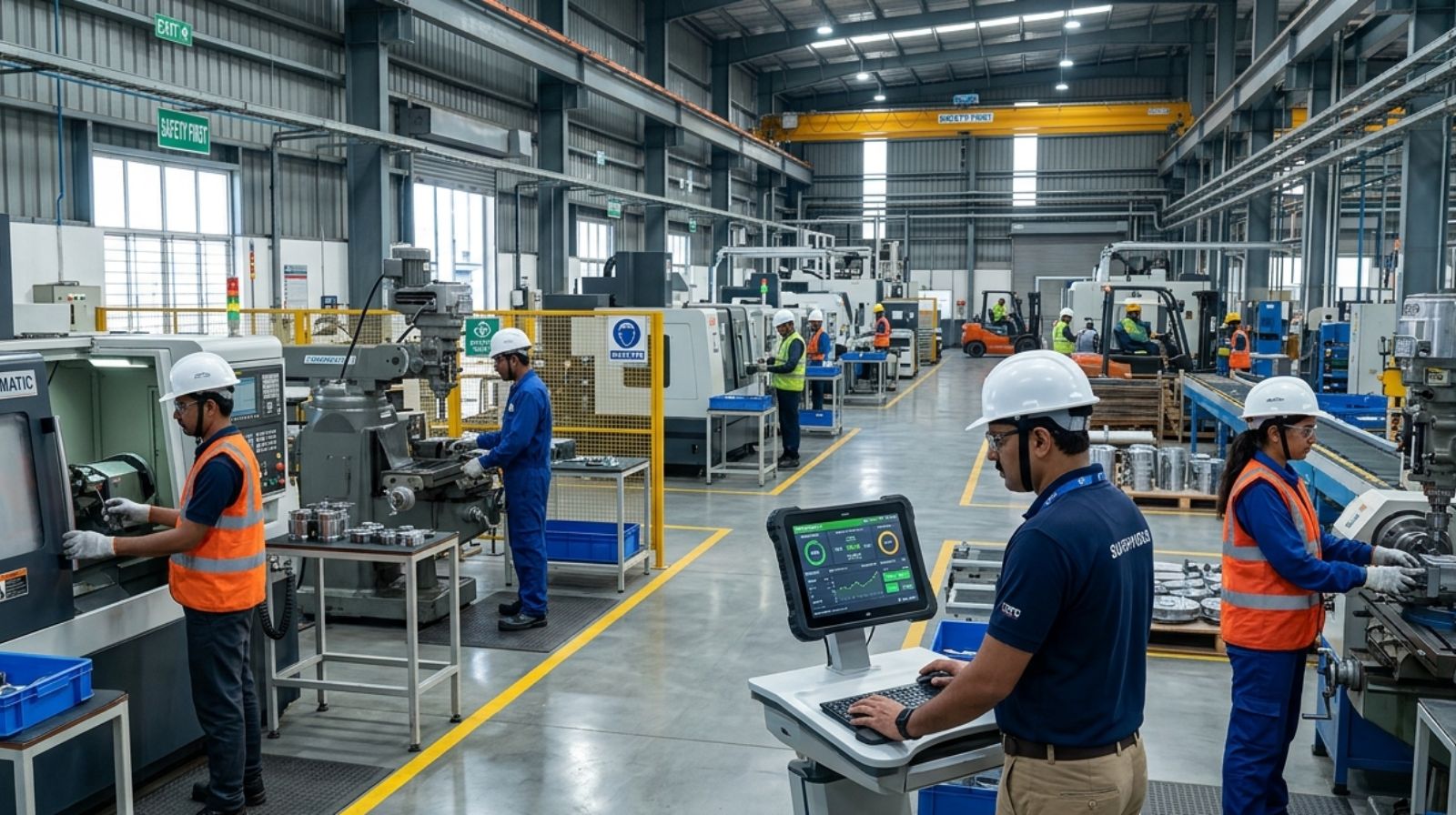
Managing 24/7 shift workers in Indian manufacturing units is no longer just an operational necessity but a strategic priority. With industries such as automotive, pharmaceuticals, FMCG, and heavy engineering running around the clock, organizations must ensure that productivity, employee well-being, and compliance are balanced effectively. Indian manufacturing units operate in a dynamic environment where demand fluctuations, labor availability, and regulatory requirements constantly evolve. In such a setting, managing 24/7 shift workers in Indian manufacturing units requires a structured approach that combines workforce planning, technology, and human-centric policies. Organizations that fail to manage shift operations effectively often face issues such as absenteeism, fatigue, reduced output, and high attrition. Getting your shift operations right is actually a huge part of your company’s long-term strategy for managing its people, and you can find more about this in a detailed guide on workforce planning in India.
Importance of 24/7 Shift Management in Indian Manufacturing Units
Managing 24/7 shift workers in Indian manufacturing units is critical to ensuring uninterrupted production. Downtime in manufacturing can lead to significant financial losses, delayed deliveries, and damaged client relationships. Round-the-clock operations also demand seamless coordination between different teams. Each shift must align with production goals, quality standards, and safety protocols. Without proper planning, miscommunication and inefficiencies can arise. Additionally, employee well-being becomes a major concern in shift-based environments. Night shifts, rotating schedules, and extended working hours can impact physical and mental health. Therefore, companies must adopt a balanced approach that prioritizes both operational excellence and workforce satisfaction.
Key Challenges in Managing 24/7 Shift Workers in Indian Manufacturing Units
Workforce Fatigue and Health Issues
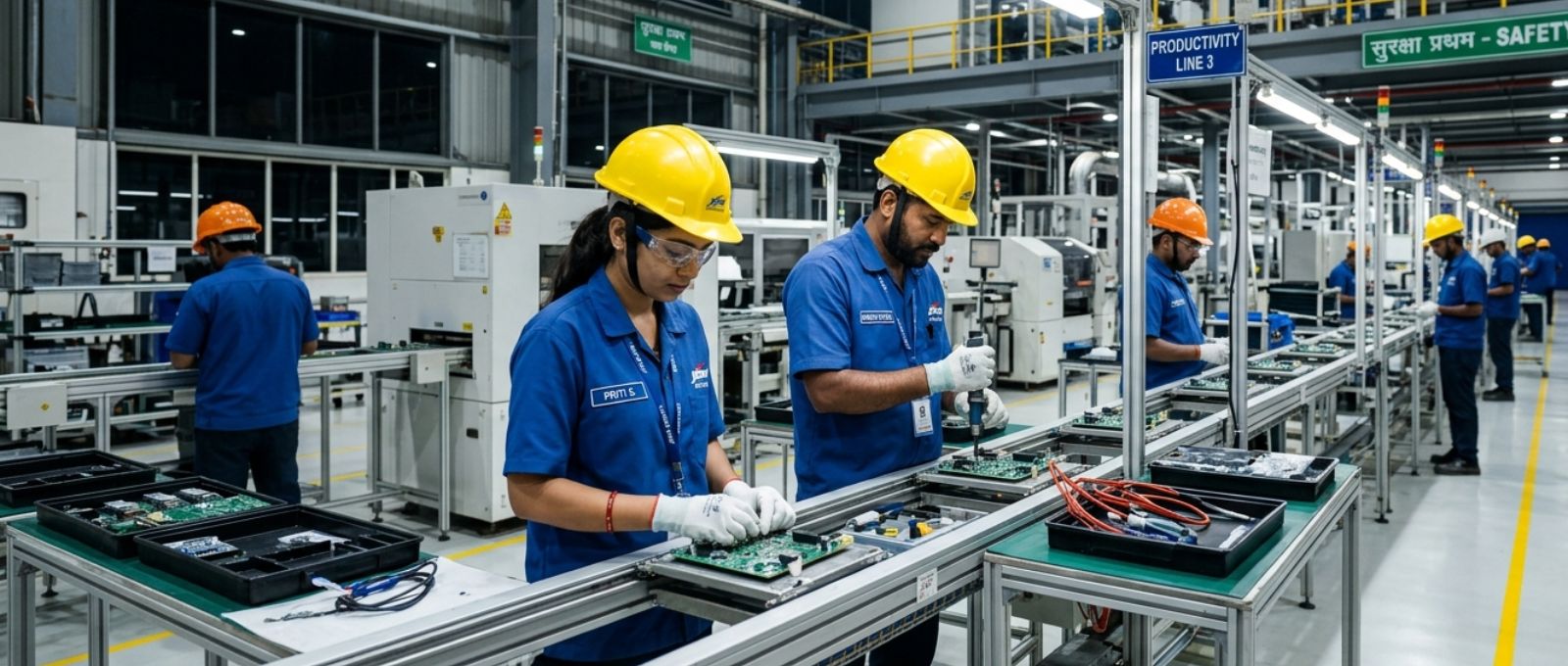
One of the biggest challenges in managing 24/7 shift workers in Indian manufacturing units is fatigue. Continuous shift rotations and night duties disrupt natural sleep cycles, leading to reduced concentration and increased risk of workplace accidents.
High Attrition and Absenteeism
Shift-based roles often experience higher turnover rates. Employees may struggle to maintain work-life balance, leading to dissatisfaction and frequent absenteeism. This directly impacts productivity and increases hiring costs.
Compliance with Labor Laws
India has strict labor laws regarding working hours, overtime, and employee safety. Managing 24/7 shift workers in Indian manufacturing units requires strict adherence to these regulations to avoid penalties and legal complications.
Scheduling Complexity
Creating efficient shift schedules that balance workload, employee preferences, and operational needs is a complex task. Poor scheduling can lead to understaffing or overstaffing, both of which affect efficiency.
Best Practices for Managing 24/7 Shift Workers in Indian Manufacturing Units
Smart Shift Scheduling for 24/7 Shift Management
Effective scheduling is the backbone of managing 24/7 shift workers in Indian manufacturing units. Companies should adopt predictable, fair rotating shifts. Forward rotating shifts, where employees move from morning to evening to night, are generally more effective. Using workforce management software helps automate scheduling, reduce errors, and ensure optimal workforce allocation. It also allows managers to track attendance, overtime, and shift swaps efficiently.
Focus on Employee Well-being in Shift Work
Employee well-being is critical in managing 24/7 shift workers in Indian manufacturing units. Organizations should provide adequate rest breaks, healthy meal options, and transportation facilities for night shift employees. Health checkups and wellness programs should be conducted regularly. Encouraging a culture where employees can openly discuss challenges related to shift work helps build trust and engagement.
Training and Skill Development
Continuous training ensures that employees remain productive across all shifts. Cross-training workers allows flexibility in shift allocation and reduces dependency on specific individuals. Managing 24/7 shift workers in Indian manufacturing units becomes easier when employees are multi-skilled and adaptable. This also improves operational resilience during emergencies or sudden absenteeism.
Strong Communication Across Shifts
Communication gaps between shifts can lead to errors and inefficiencies. Maintaining proper shift handover processes is essential. Digital tools such as shift logs, dashboards, and real-time reporting systems can ensure that critical information is shared accurately between teams.
Ensuring Compliance and Safety
Compliance is a non-negotiable aspect of managing 24/7 shift workers in Indian manufacturing units. Companies must ensure adherence to working hour limits, overtime rules, and safety regulations. Regular audits, safety drills, and proper documentation help organizations stay compliant while creating a safe working environment.
Role of Technology in Managing 24/7 Shift Workers in Indian Manufacturing Units
Technology plays a transformative role in modern manufacturing. Advanced workforce management systems help streamline scheduling, attendance tracking, and performance monitoring. Automation reduces manual errors and improves efficiency. Real-time data analytics enables managers to make informed decisions regarding staffing and productivity. Many organizations are now adopting smart workforce management solutions, QR STAFF, to automate scheduling, track attendance, and improve overall shift efficiency.
Strategies to Improve Productivity in 24/7 Shift Operations
Managing 24/7 shift workers in Indian manufacturing units requires a strong focus on productivity. Setting clear performance metrics for each shift ensures accountability. Incentive programs can motivate employees to perform better. Recognizing and rewarding high-performing teams fosters a positive work culture. Break management is another important factor. Short, regular breaks help maintain energy levels and reduce fatigue, leading to better output.
Building a Positive Work Culture in Shift-Based Manufacturing Units
A strong workplace culture can significantly impact the success of shift operations. Managing 24/7 shift workers in Indian manufacturing units is not just about processes but also about people. Leaders should ensure fairness in shift allocation and avoid favoritism. Transparent policies build trust among employees. Celebrating achievements, organizing team activities, and encouraging feedback create a sense of belonging, even in a shift-based environment.
Conclusion
Managing 24/7 shift workers in Indian manufacturing units is a complex yet essential aspect of modern industrial operations. Companies that invest in smart scheduling, employee well-being, compliance, and technology can achieve sustainable growth and operational excellence. A human-centric approach combined with data-driven decision-making ensures that both business goals and employee needs are met effectively. As the manufacturing sector continues to grow in India, mastering shift management will be a key differentiator for successful organizations.
FAQs for SEO Ranking
Q1. What is the best way of managing 24/7 shift workers in Indian manufacturing units?
The best way is to use structured shift scheduling, ensure employee well-being, adopt technology, and maintain strict compliance with labor laws.
Q2. How can companies reduce fatigue in 24/7 shift workers?
Companies can reduce fatigue by implementing forward rotating shifts, providing adequate breaks, ensuring proper rest periods, and offering health support programs.
Q3. What are the challenges in managing 24/7 shift workers in Indian manufacturing units?
Common challenges include employee fatigue, high attrition, scheduling complexity, and compliance with labor regulations.
Q4. How does technology help in 24/7 shift management in India?
Technology helps automate scheduling, track attendance, monitor productivity, and improve communication across shifts.
Q5. Why is employee well-being important in shift-based manufacturing units?
Employee well-being directly impacts productivity, safety, and retention. Healthy employees perform better and contribute to overall organizational success.
Leave a Reply