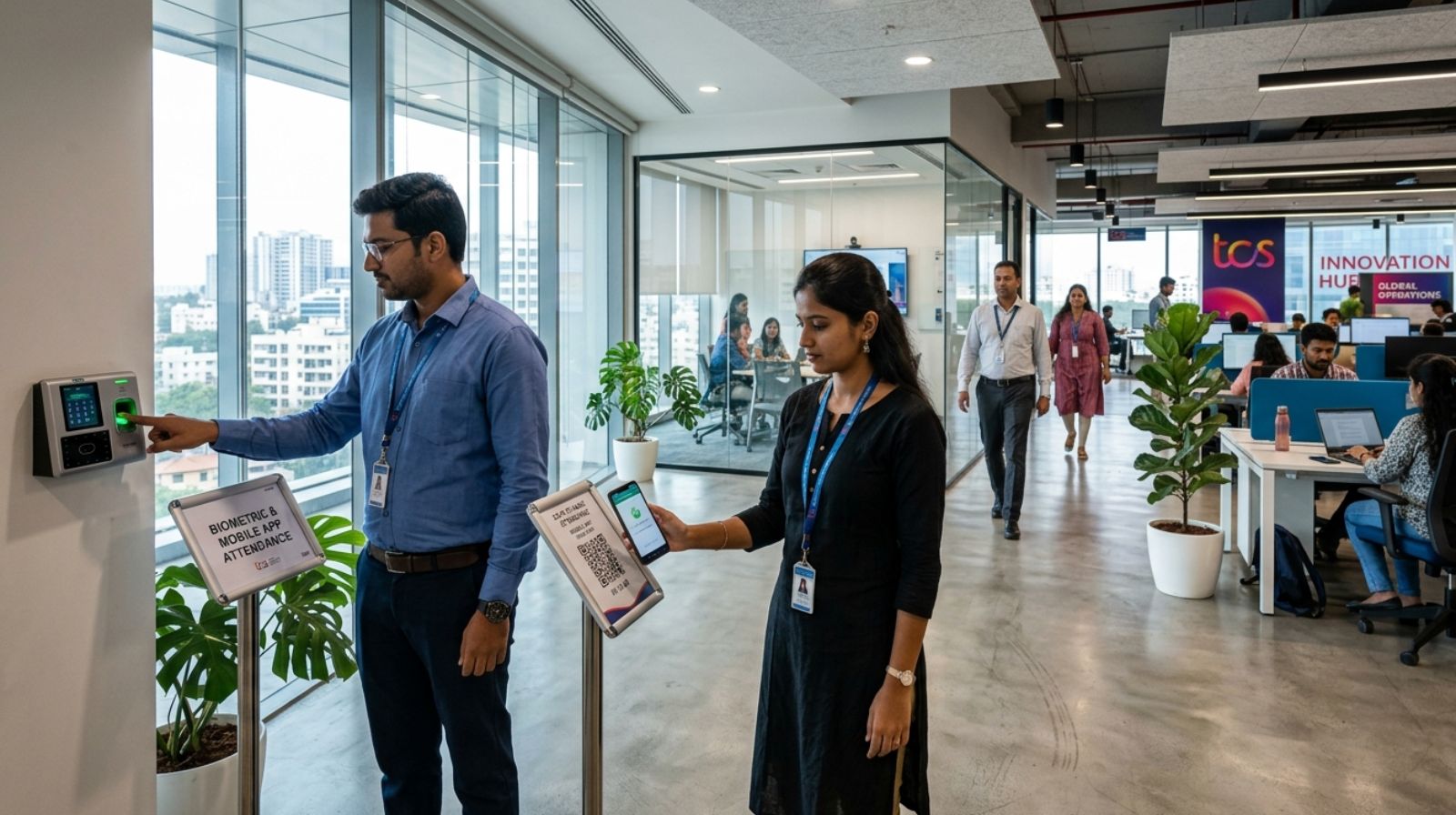
Digital Attendance Systems are transforming how organizations across India manage their workforce, and they play a crucial role in supporting the Digital India mission. As businesses shift from manual processes to smart solutions, attendance management has become faster, more accurate, and more transparent. This transformation is not just about convenience, but it is also about building a digitally empowered ecosystem that aligns with the vision of a modern India. As companies adopt digital tools, they improve efficiency and reduce errors. At the same time, they contribute to a larger national goal that focuses on digitization, transparency, and accessibility. Therefore, understanding how these systems support Digital India is important for businesses aiming to stay competitive.
Understanding the Digital India Mission
The Digital India initiative focuses on transforming India into a digitally empowered society and knowledge economy. It encourages the adoption of technology across sectors such as governance, education, healthcare, and business operations. As part of this mission, organizations are expected to reduce dependency on manual systems and move toward digital platforms. This shift helps improve accountability and ensures that processes remain transparent. Therefore, tools like Digital Attendance Systems become highly relevant because they directly support these goals.
What Are Digital Attendance Systems
Digital Attendance Systems are software-based solutions that track employee attendance using technologies such as biometrics, mobile applications, GPS tracking, or cloud-based platforms. Unlike traditional methods like registers or punch cards, these systems automate the entire process. Because they eliminate manual intervention, they reduce errors and prevent time fraud. Also, they provide real-time data, which helps organizations make better decisions. As a result, businesses can manage their workforce more effectively while aligning with digital transformation goals. Many organizations are now adopting advanced solutions like QR Staff to simplify attendance tracking and improve overall workforce efficiency.
Role of Digital Attendance Systems in Digital India
Enhancing Transparency in Workforce Management
One of the key goals of Digital India is transparency. Digital Attendance Systems help achieve this by providing accurate and tamper-proof records of employee attendance. Because all data is stored digitally, it becomes easy to audit and verify. Employees also gain trust in the system since there is no room for manipulation. Therefore, organizations can maintain fairness and accountability.
Promoting Paperless Operations
Digital India strongly promotes paperless workflows. Smart attendance systems eliminate the need for physical registers and manual documentation. As a result, companies reduce paperwork and save time. Also, they contribute to environmental sustainability by minimizing paper usage. This aligns perfectly with the broader vision of digital transformation.
Improving Efficiency and Productivity
Manual attendance tracking often leads to delays and errors. However, these automated attendance solutions streamline the process, which improves efficiency. Because attendance data is captured instantly, HR teams can focus on more strategic tasks. Also, employees spend less time on administrative activities. Therefore, overall productivity increases significantly.
Real World Relevance in India
India has a diverse workforce that includes factory workers, field staff, remote employees, and corporate teams. Managing attendance manually across such varied environments becomes challenging. Employee attendance software addresses this issue by offering flexible solutions. For example, GPS-based attendance works well for field employees, while biometric systems suit office environments. As a result, organizations across industries can adopt these systems easily. Moreover, government organizations and public sector units are also moving toward digital attendance. This shift further strengthens the Digital India mission by setting an example for private enterprises.
Key Benefits of Digital Attendance Systems
Accurate Time Tracking
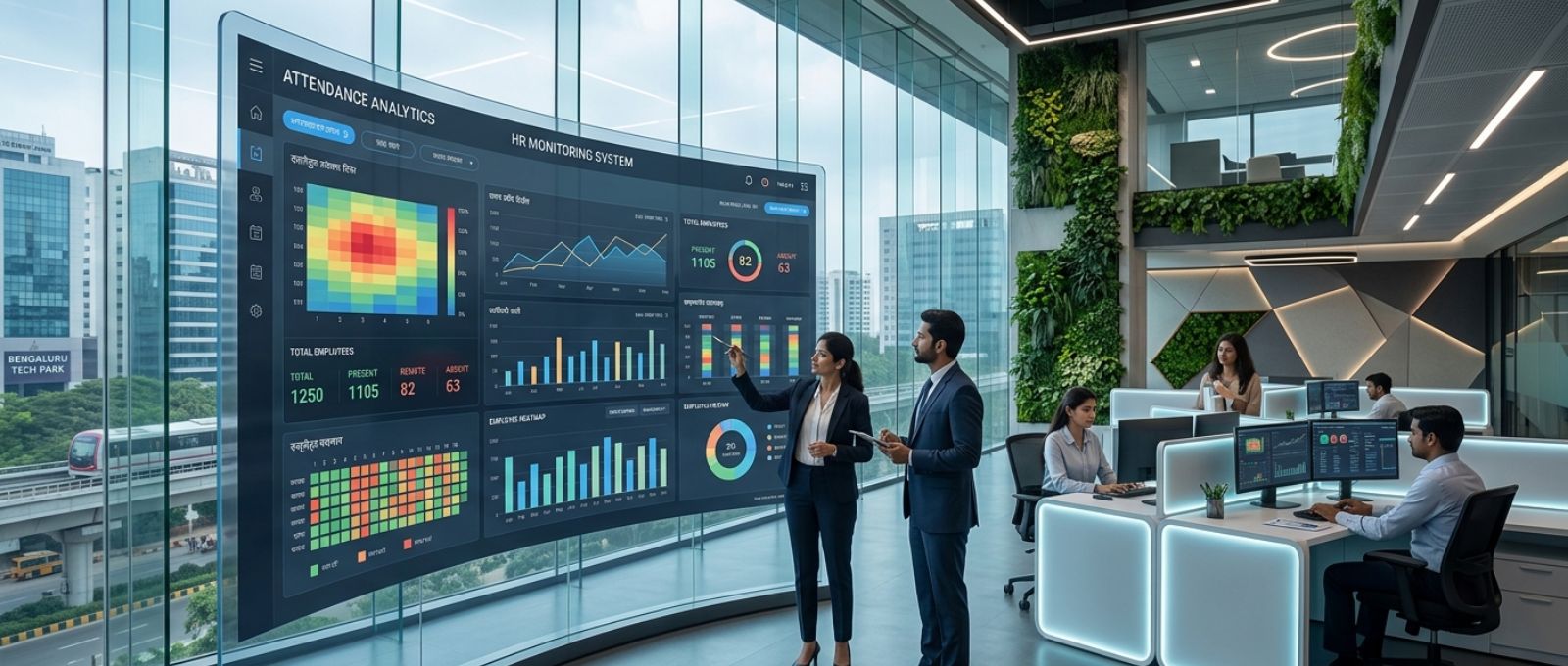
Modern attendance tracking systems ensure precise recording of working hours. Because they use advanced technologies, they eliminate human errors and buddy punching. This accuracy helps organizations maintain fair payroll systems. Also, employees feel more confident because their work hours are recorded correctly.
Better Compliance with Labor Laws
Compliance is critical for businesses in India. Workforce tracking systems help maintain proper records, which makes it easier to meet legal requirements. Because all data is stored securely, organizations can quickly generate reports during audits. Therefore, compliance becomes simpler and more reliable.
Seamless Payroll Integration
Attendance data directly impacts payroll calculations. These attendance solutions integrate with payroll software, which ensures accurate salary processing. As a result, HR teams save time and reduce errors. Also, employees receive timely and correct payments, which improves satisfaction.
Real Time Monitoring
These systems provide real-time insights into employee attendance and productivity. Managers can track workforce performance and make informed decisions. Because data is available instantly, organizations can respond quickly to any issues. Therefore, operational efficiency improves significantly.
Use Cases Across Industries
Manufacturing Sector
In manufacturing, managing shift workers is complex. Digital Attendance Systems simplify this process by tracking shifts accurately. Because they handle multiple shifts efficiently, they help avoid confusion and ensure smooth operations. If you want to explore this further, you can also read our detailed guide on Managing 24/7 Shift Workers in Indian Manufacturing Units to understand how digital tools improve shift management.
IT and Corporate Offices
Corporate environments require flexible attendance solutions. Digital Attendance Systems support remote work and hybrid models. Employees can mark attendance through mobile apps, which ensures convenience and accuracy.
Field Workforce Management
For sales teams and field workers, location-based attendance is essential. Digital Attendance Systems use GPS tracking to verify attendance. This ensures that employees are present at the correct location, which improves accountability.
Alignment with Government Initiatives
Digital Attendance Systems directly support several government initiatives under Digital India. These include digitization of records, promotion of e-governance, and improvement in service delivery. Because these systems ensure transparency and efficiency, they align with the government’s vision of reducing corruption and improving accountability. Also, they support the development of smart workplaces across the country.
Challenges in Adoption
Resistance to Change
Many organizations hesitate to adopt new technologies. Employees may feel uncomfortable using digital systems initially. However, proper training and awareness can help overcome this challenge. As employees understand the benefits, acceptance increases.
Initial Investment
Implementing Digital Attendance Systems requires an initial investment. Small businesses may find this challenging. But in the long run, these systems reduce costs by improving efficiency and minimizing errors. Therefore, the return on investment is significant.
Data Security Concerns
With digital systems, data security becomes important. Organizations must ensure that employee data is protected. Using secure and reliable software solutions helps address this issue. Also, regular updates and monitoring enhance security.
Solutions to Overcome Challenges
Organizations can adopt a phased approach to implementation. Starting with basic features and gradually expanding helps employees adapt. Providing training sessions and support also ensures smooth adoption. Additionally, choosing cloud-based systems reduces infrastructure costs and enhances scalability.
Future Scope of Digital Attendance Systems in India
The future of Digital Attendance Systems looks promising as technology continues to evolve. Integration with artificial intelligence and analytics will provide deeper insights into workforce behavior. As India moves toward smart cities and digital ecosystems, these systems will become even more essential. Businesses that adopt them early will gain a competitive advantage. Moreover, government support for digital transformation will further accelerate adoption. Therefore, Digital Attendance Systems will play a key role in shaping the future of work in India.
Conclusion
Digital Attendance Systems are more than just tools for tracking employee attendance. They are essential components of a larger digital transformation journey that aligns with the Digital India mission. By improving transparency, efficiency, and compliance, these systems help organizations operate more effectively. At the same time, they contribute to the national vision of a digitally empowered society. As businesses continue to evolve, adopting digital solutions becomes necessary. Digital Attendance Systems not only simplify operations but also position organizations for long-term success in a rapidly changing world.
FAQs
1. What are Digital Attendance Systems, and how do they work
Digital Attendance Systems are software solutions that track employee attendance using technologies like biometrics, mobile apps, and cloud platforms to ensure accurate and automated records.
2. How do Digital Attendance Systems support the Digital India mission
They promote transparency, reduce paperwork, improve efficiency, and align with the government’s goal of digital transformation across industries.
3. Are Digital Attendance Systems suitable for small businesses in India
Yes, many affordable, scalable solutions are available to help small businesses improve efficiency and reduce manual errors.
4. What industries benefit the most from Digital Attendance Systems
Industries such as manufacturing, IT, retail, and field services benefit significantly from improved workforce tracking and management.
5. Are Digital Attendance Systems secure
Most modern systems use advanced security measures such as encryption and cloud protection to ensure data safety.
Leave a Reply