
Performance Review Templates That Drive Growth are often the missing link between evaluating employees and actually helping them improve. In most companies, performance reviews exist—but growth doesn’t follow.
What we often see is a disconnect. Managers complete reviews because the process demands it, not because it drives meaningful outcomes. Employees receive feedback, but it rarely translates into action. The result? A system that measures performance but doesn’t improve it.
The truth is, the format of the review matters more than most organizations realize. A well-designed template doesn’t just document performance—it shapes conversations, decisions, and ultimately, growth.
Why Traditional Performance Reviews Don’t Drive Growth

In practice, most performance review systems fail for predictable reasons.
The first issue is a lack of clarity. Employees are evaluated on broad criteria without clearly defined expectations. When goals are vague, feedback becomes subjective, and outcomes feel inconsistent.
Bias is another challenge. Without structured evaluation formats, reviews often reflect personal opinions rather than measurable performance. This erodes trust over time.
Annual reviews also limit impact. By the time feedback is shared, it’s often outdated. Employees can’t act on something that happened months ago, especially when priorities have already shifted.
Most importantly, there’s no follow-up. Reviews end with ratings, but rarely lead to structured development plans. Without action, even the best feedback loses value.
What Makes Performance Review Templates That Drive Growth Effective
Performance Review Templates That Drive Growth work because they bring structure to an otherwise subjective process.
First, they align employee goals with business priorities. When individuals understand how their work contributes to larger outcomes, performance becomes more focused and meaningful.
Second, they support continuous feedback. Instead of relying on annual reviews, effective templates encourage regular check-ins. This keeps performance conversations relevant and actionable.
Another key factor is measurable KPIs. When performance is tied to specific metrics, evaluations become more objective. It also helps employees understand exactly where they stand.
Many growing businesses now use digital HR tools like QR Staff to simplify performance tracking, attendance management, employee evaluation, and workforce reporting. When performance data is centralized, managers can make faster and more accurate review decisions instead of relying on manual spreadsheets or disconnected systems.
Key Components of a High-Impact Employee Performance Review Template
A strong employee performance review template isn’t complicated—but it is intentional. Each section serves a clear purpose.
The employee details section provides context. It ensures that every review is clearly tied to a role, department, and time period.
Goal tracking is where the real evaluation begins. Instead of general comments, performance is measured against predefined objectives. This creates clarity for both managers and employees.
Competency evaluation focuses on how work is done, not just what is delivered. Skills like communication, collaboration, and problem-solving often determine long-term success.
Self-assessment adds an important dimension. In many cases, employees are more aware of their challenges than managers realize. This section helps surface those insights.
Manager feedback should go beyond ratings. It needs to be specific, constructive, and actionable. Vague feedback doesn’t drive improvement.
Finally, the development plan turns the review into a forward-looking process. Without this, the review remains incomplete.
Step-by-Step Guide to Creating Performance Review Templates That Drive Growth
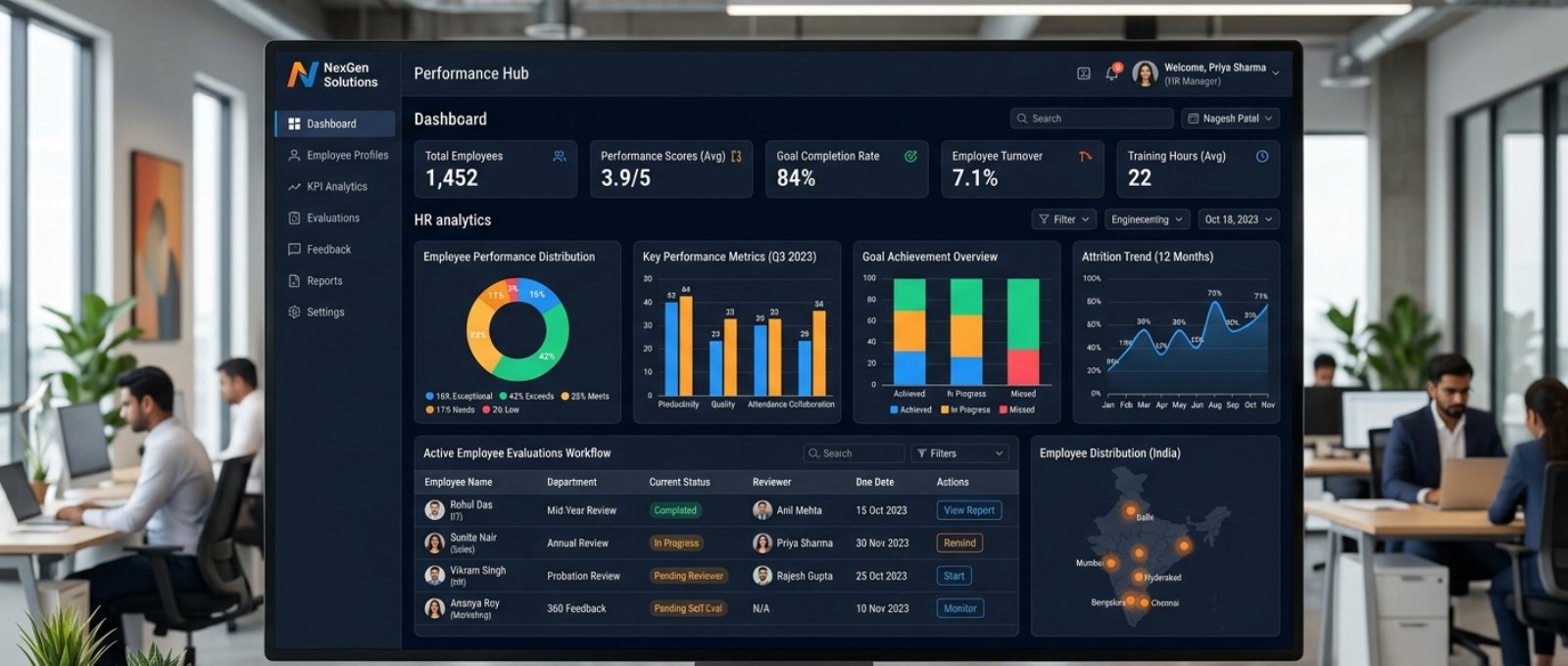
Creating Performance Review Templates That Drive Growth is less about design and more about intent.
Start by defining clear objectives. What should the review achieve? Improved productivity, better alignment, or leadership development? The answer shapes everything else.
Next, choose the right format. Some organizations prefer rating scales, while others lean toward descriptive feedback. In practice, a hybrid approach often works best.
Then, add measurable KPIs. Without clear metrics, performance remains open to interpretation. Specific goals remove ambiguity and improve fairness.
Building feedback loops is where most companies fall short. Reviews shouldn’t happen once a year. Quarterly or even monthly check-ins create momentum.
Finally, test and refine the template. What works in theory doesn’t always work in practice. Gathering feedback from managers and employees helps improve usability.
Best Practices for Using Performance Review Templates in Organizations
Organizations that want to improve their HR performance review system should also invest in the right HR technology stack. Choosing modern HRMS platforms can simplify performance tracking, employee evaluations, payroll coordination, and workforce analytics. Businesses exploring digital HR solutions can also review this guide on Top 10 HRMS Software in India to understand which tools support scalable workforce management.
Keep the format simple. If the template feels complicated, people will rush through it. Simplicity improves adoption.
Manager training is critical. Many managers know what to evaluate but struggle with how to communicate it. Without proper guidance, feedback loses impact.
Consistency matters more than perfection. When every team uses a different approach, employees perceive the process as unfair.
Use data where possible. Patterns in performance reviews can reveal skill gaps, high performers, and training needs. In practice, most companies fail here—they collect data but don’t use it effectively.
Common Mistakes to Avoid in Performance Appraisal Templates
One of the biggest mistakes is creating overly generic templates. If every employee gets the same form regardless of role, the feedback becomes less relevant.
Ignoring employee input is another issue. Performance reviews should be a conversation, not a one-sided evaluation.
Many organizations also skip follow-up actions. Without tracking progress after the review, development plans remain theoretical.
Overcomplicating the process is equally damaging. Adding too many sections or metrics can overwhelm users and reduce the quality of responses.
How Performance Review Templates Improve Workplace Productivity
Well-designed performance review templates directly impact workplace productivity.
They improve engagement by giving employees clear direction. When expectations are well-defined, people focus on what matters.
They also reduce confusion. Instead of guessing priorities, employees work toward measurable goals.
Decision-making becomes more effective. Managers have structured data to identify top performers, address issues, and plan future roles.
Over time, this builds a performance-driven culture. Employees understand that growth is not just encouraged—it’s expected.
Conclusion
Performance Review Templates That Drive Growth are not just HR tools—they are business tools. When designed thoughtfully, they turn performance conversations into meaningful action.
The difference between a form and a growth system lies in how it is used. Templates that focus on clarity, consistency, and development create real impact.
In most mid-sized companies, performance reviews fail not because of tools, but because of a lack of structure. Fix the structure, and the results follow.
FAQs
What is a performance review template?
A performance review template is a structured format used to evaluate employee performance based on goals, skills, and measurable outcomes.
How do you create an effective employee evaluation form?
Focus on clear objectives, measurable KPIs, employee input, and actionable feedback. Keep the format simple and practical.
What should be included in a performance appraisal format?
It should include employee details, goal tracking, competency evaluation, self-assessment, manager feedback, and a development plan.
How often should performance reviews be conducted?
While annual reviews are common, many organizations now use quarterly or continuous feedback models for better results.
What are the benefits of structured performance reviews?
They improve transparency, increase employee engagement, and support better decision-making within organizations.
Can performance review templates improve productivity?
Yes, when designed properly, they create clarity, align goals, and encourage continuous improvement, which leads to higher productivity.
Leave a Reply