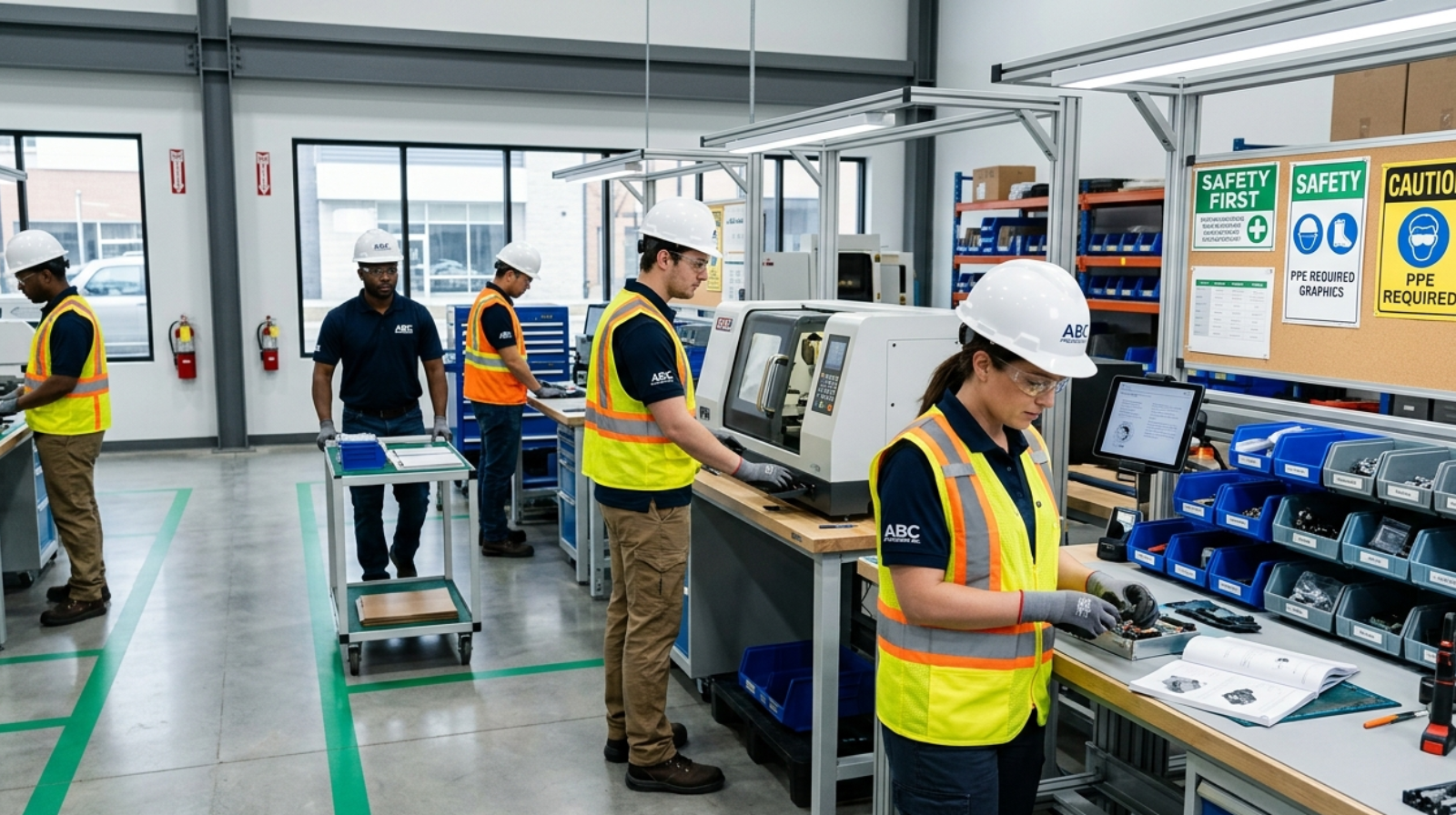
Workplace Safety Best Practices for SMEs are no longer optional—they are essential for building a sustainable, productive, and legally compliant business. In today’s competitive environment, SMEs must go beyond basic precautions and actively create a safe working environment where employees feel protected, valued, and confident.
For many small and medium enterprises, safety often takes a backseat due to limited resources or a lack of structured systems. However, even small safety improvements can significantly reduce risks, improve employee morale, and enhance operational efficiency. This guide explores practical, real-world strategies that SMEs can implement without complexity or high costs.
Why Workplace Safety Best Practices for SMEs Are Important
Workplace safety is directly linked to business performance. When employees feel safe, they are more focused, productive, and engaged in their roles. On the other hand, unsafe environments lead to frequent disruptions, absenteeism, and even legal consequences.
From a compliance standpoint, small-business safety is critical. Governments and regulatory bodies expect even the smallest organizations to follow occupational safety standards. Ignoring these requirements can result in penalties, legal action, or business shutdowns.
Additionally, workplace safety builds trust. Employees are more likely to stay with companies that prioritize their well-being. This reduces hiring costs and strengthens team stability, which is especially important for SMEs operating with smaller teams.
Common Workplace Safety Challenges in SMEs
Despite understanding the importance of safety, SMEs often struggle to implement it. One of the biggest challenges is limited resources. Unlike large corporations, small businesses may not have dedicated safety teams or budgets for advanced safety systems.
Another common issue is a lack of training. Employees may not fully understand workplace safety tips or how to respond to emergencies. This gap increases the risk of accidents and injuries.
Informal processes also create problems. Many SMEs rely on verbal instructions instead of documented safety policies. While this may work in the short term, it leads to inconsistency and confusion over time.
Recognizing these challenges is the first step toward building effective SME safety guidelines that are practical and scalable.
Workplace Safety Best Practices for SMEs
Workplace Risk Assessment for SMEs
Risk assessment is the foundation of workplace hazard prevention. SMEs should regularly evaluate their work environment to identify potential risks such as faulty equipment, unsafe layouts, or hazardous materials.
Instead of waiting for incidents to occur, proactive assessments help businesses address issues early. Even a simple monthly inspection can significantly reduce risks and improve overall safety standards.
Employee Safety Training Best Practices
Employee safety practices begin with awareness. Training ensures that every team member understands potential risks and knows how to handle them effectively.
This does not require expensive programs. SMEs can conduct short, regular sessions focusing on practical scenarios such as fire safety, equipment handling, and emergency response. Consistency matters more than complexity.
Maintain Proper Safety Equipment
Having the right safety equipment is essential for occupational safety for SMEs. This includes protective gear, fire extinguishers, first aid kits, and properly maintained machinery.
However, simply providing equipment is not enough. Employees must know how to use it correctly. Regular checks and maintenance ensure that equipment functions properly when needed.
Create Clear Safety Policies
Clear documentation is a key part of small business safety compliance. Written safety policies eliminate confusion and provide a standard reference for all employees.
These policies should cover basic rules, emergency procedures, and reporting systems. Keeping them simple and accessible ensures that everyone can understand and follow them.
Encourage a Safety-First Culture
A strong safety culture goes beyond rules and policies. It involves creating an environment where employees feel responsible for their own safety and that of their colleagues.
Leadership plays a crucial role here. When managers prioritize safety in daily operations, employees naturally follow. Encouraging open communication about risks and incidents also strengthens this culture.
Ensure Compliance with Safety Regulations
Compliance is not just about avoiding penalties—it’s about protecting people. SMEs must stay updated with local safety regulations and ensure that their practices align with legal requirements.
Regular audits and documentation help maintain compliance. Even basic adherence to regulations can significantly reduce workplace risks and improve business credibility.
How SMEs Can Build a Strong Safety Culture
Building a safety culture requires consistent effort and leadership commitment. It starts at the top. Business owners and managers must actively demonstrate the importance of safety through their actions.
Employee involvement is equally important. Encouraging team members to report hazards, suggest improvements, and participate in safety discussions creates a sense of ownership.
Modern SMEs are increasingly using digital workforce management solutions to improve workplace coordination, employee accountability, and compliance tracking. Tools that automate attendance, shift scheduling, and reporting can help businesses maintain safer and more organized work environments. Businesses looking to modernize operations can also explore this guide on the Top 10 Best Workforce Management Software in India. Continuous improvement is the final piece. Safety is not a one-time effort but an ongoing process. Regular reviews, feedback, and updates ensure that safety practices evolve with the business.
Benefits of Implementing Workplace Safety Best Practices for SMEs

Implementing workplace safety tips delivers measurable benefits for SMEs. One of the most immediate advantages is the reduction in workplace accidents. Fewer incidents mean less downtime and lower medical or compensation costs.
Productivity also improves significantly. Employees can focus better when they are not worried about potential hazards. Many SMEs are now adopting digital workforce tools like QR Staff to improve employee management, attendance tracking, and workplace accountability. Using smart attendance and workforce management systems helps businesses maintain better compliance, reduce operational confusion, and support safer workplace practices.
Employee trust is another critical benefit. When workers see that their safety is a priority, they develop stronger loyalty toward the organization. This reduces turnover and improves team stability.
Cost savings, although often overlooked, are substantial. Preventing accidents is always more affordable than dealing with their consequences. From insurance costs to operational disruptions, safety investments pay off in the long run.
Mistakes Small Businesses Should Avoid in Workplace Safety: Best Practices for SMEs
One common mistake is ignoring minor hazards. Small issues, such as loose wires or cluttered spaces, can quickly turn into major accidents if left unaddressed.
Another mistake is a lack of documentation. Without proper records, it becomes difficult to track incidents, enforce policies, or demonstrate compliance during inspections.
Inconsistent training is also a significant risk. Providing safety training once and then neglecting it reduces its effectiveness. Regular reinforcement is necessary to keep safety practices fresh in employees’ minds.
Avoiding these mistakes helps SMEs create a more reliable and effective safety system.
Conclusion
Workplace safety is not just a regulatory requirement—it is a strategic investment in the future of your business. By implementing the right workplace safety best practices for small & medium enterprises, businesses can create safer environments, improve productivity, and build stronger teams.
The key is to start simple and stay consistent. Regular risk assessments, employee training, and clear policies can make a significant difference. Over time, these efforts evolve into a strong safety culture that supports long-term growth.
Now is the right time to take action. Even small improvements today can prevent major challenges tomorrow.
Frequently Asked Questions (FAQs)
What are the basic workplace safety practices for SMEs?
Basic practices include regular risk assessments, employee safety training, proper safety equipment, and clear safety policies. These steps help reduce workplace hazards and improve overall safety.
How can small businesses improve employee safety?
Small businesses can improve safety by providing consistent training, maintaining equipment, encouraging open communication, and creating a safety-first culture within the organization.
Why is workplace safety important for productivity?
A safe workplace reduces distractions, prevents accidents, and ensures employees can focus on their tasks. This leads to higher efficiency and better performance.
What are common workplace hazards in small businesses?
Common hazards include unsafe equipment, poor workspace layout, lack of protective gear, and insufficient training. Identifying these risks is essential for prevention.
How often should SMEs conduct safety training?
Safety training should be conducted regularly, ideally every few months, along with refresher sessions to ensure employees stay aware of safety practices.
What is workplace hazard prevention in SMEs?
Workplace hazard prevention involves identifying potential risks and taking proactive steps to eliminate or reduce them, ensuring a safer working environment.
Leave a Reply