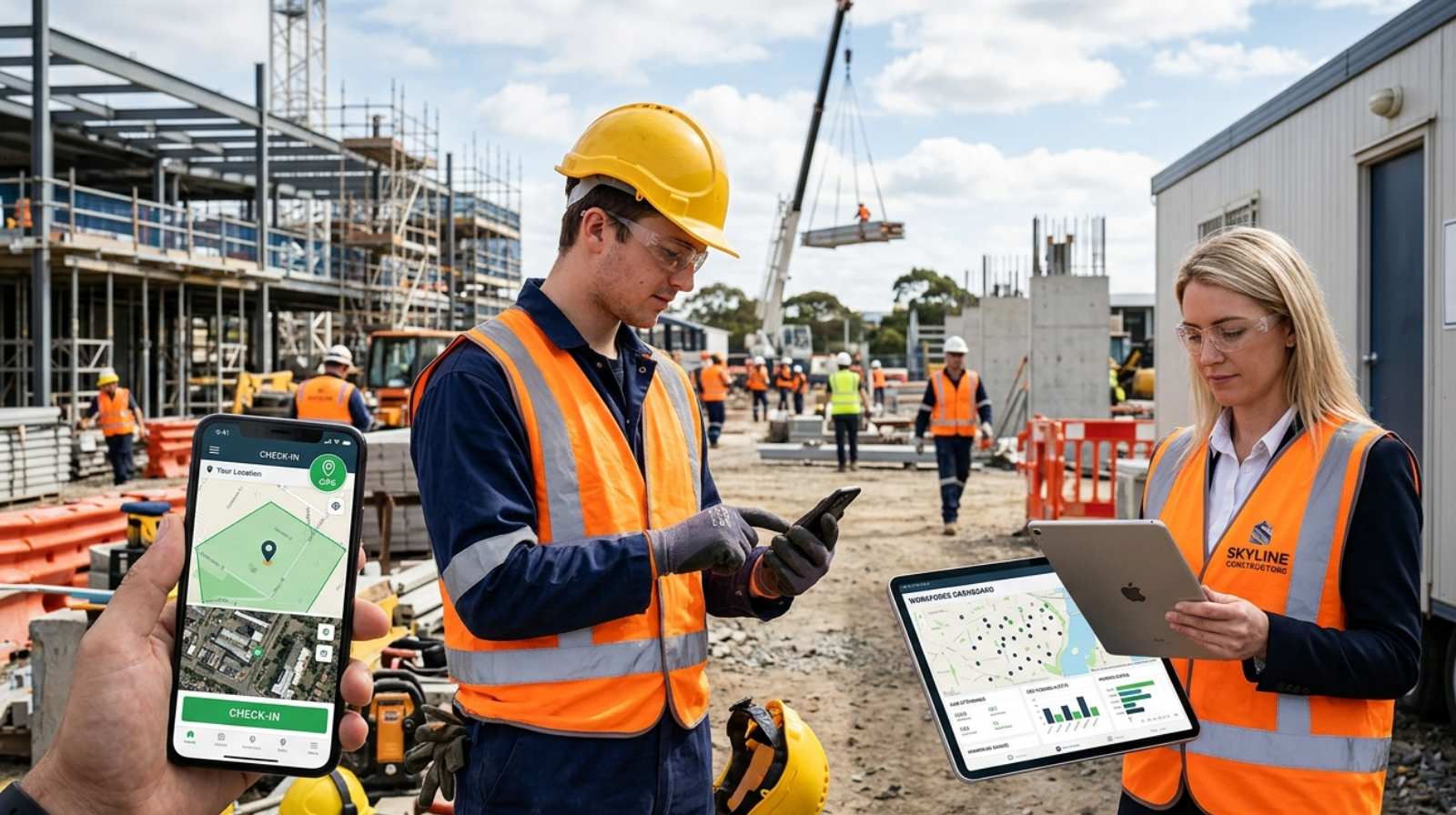
Tracking field employees without invading privacy is a growing challenge for businesses that manage remote and on-site workforces. Whether you operate in construction, logistics, facility management, or field sales, maintaining visibility into employee activities is important for productivity and accountability. However, employees also expect their personal privacy to be respected. The good news is that modern workforce management tools make it possible to track field employees without invading privacy while maintaining trust, compliance, and operational efficiency.
So, there’s a tricky balance here. Businesses want people to be accountable, things to be accurate, and work to get done, while employees want clarity, fairness, and trust. The answer isn’t to stop tracking completely. Instead, it’s about learning how to track field employees without invading privacy in a way that fits what the business needs and what’s ethically right.
Why Businesses Need to Track Field Employees Without Invading Privacy
If you manage teams working out in the field, knowing what’s going on really helps with efficiency. Without a good system, managers usually rely on manual attendance sheets, phone updates, or reports that come in late. This can lead to all sorts of mix-ups and blind spots in how things are run. Over time, these gaps don’t just affect how much work gets done, but also how happy clients are and how well people are held accountable internally.
When it’s done correctly, tracking field employees helps companies keep accurate attendance records. It can cut down on “buddy punching” (where one person clocks in for another) and make sure employees are where they’re supposed to be. It also helps with planning who works when, by giving insights into how time is spent and how tasks are completed. But how well these benefits actually work depends entirely on how you set up the tracking. If you do it wrong, people might not trust you and could resist it.
Challenges When You Track Field Employees Without Invading Privacy
The talk around tracking often makes it sound like a fight between getting work done and keeping things private. But in reality, the issue isn’t tracking itself; it’s tracking too much or not explaining it well. Employees usually don’t mind being monitored for work, but they get worried when they don’t have control or when things aren’t clear.
It makes people uncomfortable when tracking goes on after work hours, or when they don’t know how their information is being used. Similarly, if GPS tracking is continuous without clear boundaries, it can feel like an intrusion, even if the goal is just to make operations smoother. That’s why companies need to think differently and build systems that work well and also show respect.
To truly track field employees without invading privacy, companies need to shift from constantly watching people to a model based on trust. This means tracking should be clear, limited, and have a specific purpose.
Principles to Track Field Employees Without Invading Privacy
To track people in a way that respects their privacy, you need to follow a few basic rules about how you collect and use their information. Being open about it is key. Employees should always know what information is being collected, why it’s needed, and when tracking is active. When you’re clear about it, employees are much more likely to accept and even help with the tracking.
Another big rule is to only track during work hours. A common mistake is leaving tracking on all the time, even when people aren’t working. That brings up ethical issues and can even cause legal problems. By making sure tracking stops automatically after work, companies can draw a clear line between work and personal time.
Getting their permission is also super important. Modern tracking systems should allow employees to have a say in the process, whether through check-ins, app-based permissions, or by activating it for their shift. When people feel like they have some control, tracking feels more like a team effort than something forced on them.
It’s also important not to collect data you don’t really need. You usually don’t need to track every single move an employee makes for your business. Instead, companies should just collect information that directly helps with productivity and making sure people are accountable. This way, you protect privacy and also make managing data simpler.
Smart Ways to Track Field Employees Without Invading Privacy
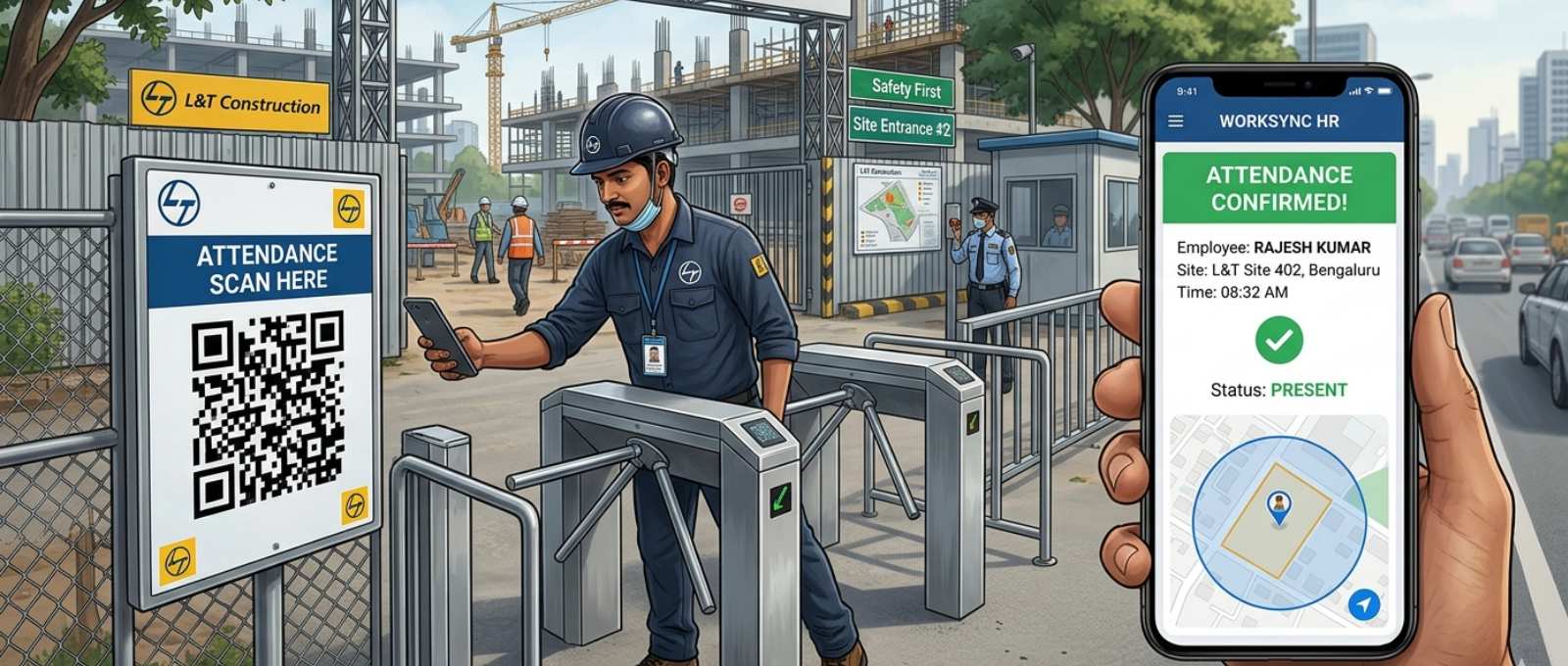
With new technology, companies now have smarter ways to track people without being too nosy. One good way is QR-based attendance. Employees just scan a code when they get to a job site to show they’re there. Businesses looking to track field employees without invading privacy should invest in a reliable field employee tracking software that provides attendance verification, geo-fencing, and transparent monitoring features.
Geo-fencing is another popular option. It means setting up an invisible fence around a place, like a construction site or service zone. People are marked as present only when they’re inside this boundary, so you don’t need to watch them all the time. It works really well because it cares about whether someone is there, not where they’re constantly moving, which fits with what people expect for their privacy.
If you absolutely need GPS tracking, you can still do it carefully. By only tracking during work hours and letting employees pause or stop it when they need to, companies can still see what’s happening without going too far into people’s personal lives. The main thing is to make sure tracking always has a clear purpose and isn’t overdone.
Another newer idea is tracking based on tasks. Instead of worrying about where people are, this focuses on what they get done. Companies can measure productivity by tracking when tasks are finished, getting updates, and reviewing work reports, without relying too much on location data. Moving from tracking where someone is to tracking what they achieve is a more modern and employee-friendly way of doing things.
Legal and Compliance Considerations
Tracking employees isn’t just about how you run things; it also comes with legal responsibilities. Different places have specific rules about watching employees, and companies need to make sure their methods follow these laws. Often, getting an employee’s permission isn’t just a good idea; it’s required by law.
Companies also need to be careful about data security. When you collect employee data, you’re responsible for storing and protecting it correctly. If that data is used wrongly or gets out, it can cause big problems, legally and for the company’s reputation. By not collecting too much data and using secure systems, companies can really cut down on these risks.
Besides just following the law, ethics matter too. Even if you’re technically allowed to track in a certain way, it might not always be the right thing to do. Companies that put ethics first are more likely to build lasting trust with their employees.
Benefits of Privacy-Friendly Tracking
When companies strike the right balance, employee tracking can strengthen workplace relationships rather than weaken them. Employees are more likely to trust organizations that respect their privacy and are transparent about how tracking systems are used. As a result, they become more engaged, cooperative, and open to adopting new technologies because they no longer view tracking tools with suspicion.
Productivity also improves when employees feel respected and valued. Instead of worrying about constant monitoring, they can focus on their responsibilities and perform their jobs more effectively. Over time, this creates a healthier work environment where accountability and trust go hand in hand.
Organizations that combine privacy-friendly tracking practices with workplace safety best practices can create a more accountable, productive, and trustworthy work environment.
Another significant benefit is the reduction of workplace conflicts and misunderstandings. When policies are clearly communicated, and tracking systems operate transparently, managers and employees can align their expectations more effectively. This level of clarity is particularly valuable for field teams, where communication gaps can easily affect productivity and day-to-day operations.
Common Mistakes Businesses Should Avoid
Even with good intentions, many companies still have trouble setting up good tracking systems. One of the most common mistakes is tracking people after work hours, which immediately brings up privacy worries. Another frequent problem is not communicating enough, meaning employees don’t fully know how tracking works.
Using tools that are too intrusive can also cause problems. Systems that track every move or gather too much data often make people resist, instead of making things more efficient. Not listening to what employees say is another big mistake, because it stops companies from finding and fixing problems early on.
Any company wanting to track field employees successfully without invading privacy absolutely needs to avoid these mistakes.
How Large Organizations Approach Employee Tracking
Big companies and global businesses have already figured this out by using structured, policy-driven ways of tracking. They put money into systems that focus on being open and only collect the data they absolutely need. Regular checks make sure tracking practices still follow rules and fit with company policies.
More importantly, these companies know that trust is something valuable for the long run. Instead of watching people too much, they focus on building systems that help people be accountable while still respecting their personal space. This way doesn’t just make things more efficient; it also makes the company culture stronger.
Choosing the Right Tracking Solution
Solutions such as QR Staff employee tracking software help businesses monitor attendance, field activities, and workforce productivity while respecting employee privacy.
Picking the right tool is a really important step for good tracking. Companies should look for tools with features like geo-fencing, QR code attendance, and tracking that only works during business hours. It also needs to be easy to use, because complicated systems can make employees not want to use them.
Businesses with distributed teams can benefit from HR software for facility management companies that simplifies attendance tracking, shift scheduling, payroll, and compliance management while maintaining employee privacy.
It’s also key to pick platforms that put data privacy and following rules first. A good system should meet both your operational needs and ethical standards, making sure tracking is a helpful addition, not something to worry about.
The Future of Field Employee Tracking
The future of tracking employees is definitely heading towards smarter, more privacy-focused tools. New technology is making it possible to get useful information without having to collect data in a way that feels intrusive. For instance, AI is being used to look at how productive people are without needing to track their location all the time.
At the same time, employees are getting more control. Newer tools are more and more designed to give users a better view and more control over their data, which fits with what people expect about privacy these days. Companies that jump on these trends early will be in a better spot to create workplaces that are both efficient and trusted.
Conclusion
To track field employees without bothering their privacy, companies need to be thoughtful and balanced in how they do it. Tracking shouldn’t be about control; it should be about helping with better coordination, accountability, and efficiency. By being open, collecting less data, and using smart tech, companies can reach their goals without losing employee trust.
Ultimately, the most successful companies get that productivity and privacy aren’t opposites. When done right, they actually work together, creating a system that’s good for both the company and its employees.
FAQ
Is it legal to track field employees?
Yes, but it must be done with proper consent and within applicable legal frameworks.
How can I track employees without GPS?
You can use QR-based attendance, geo-fencing, or task-based reporting systems.
What is the best way to track field employees without invading their privacy?
Geo-fencing combined with work-hour-based tracking is widely considered the most effective approach.
Can employees refuse tracking?
In many cases, yes—especially if tracking is not clearly communicated or justified.
Does employee tracking improve productivity?
When implemented ethically, it improves accountability and operational efficiency.
Leave a Reply